
Using the SHAW AcuDew dewpoint transmitter
In lithium-ion cell production, battery dry room dewpoint is a key parameter that influences yield and battery quality. An unnoticed moisture excursion can contribute to gassing, capacity loss or a reduced cell life.
The SHAW AcuDew dewpoint transmitter makes moisture visible, continuously, wherever it matters: dry room supply air, desiccant dryer outlets, glove boxes and the dry gases that feed them. This compact, loop powered transmitter reports dewpoint or moisture content in the engineering units your process already uses.
Why battery dry room dewpoint matters
The electrolyte salt in most lithium-ion cells, lithium hexafluorophosphate (LiPF₆), reacts with water to form hydrogen fluoride. This attacks electrode materials and cell components, so electrolyte filling and cell assembly must take place in very dry air.
- Typical cell assembly zones are held around −30 °C to -45 °C dewpoint, with more moisture sensitive processes often dryer
- Glove box steps can run at around −65 °C dewpoint, approximately 3 ppm(V)
- People and processes add moisture to the environment, so air is continuously cycled through desiccant dryers. A dryer fault can allow dewpoint to rise quickly, making continuous monitoring essential
AcuDew covers this whole range in one family of transmitters, with a fast dry to wet response that flags a moisture rise quickly.
Accurate dewpoint measurement across a wide range
AcuDew uses an ultra high capacitance aluminium oxide sensor, giving one transmitter the reach to cover everything from general compressed air to very dry process gases.
- Range: −120 °C to +20 °C dewpoint (−184 °F to +68 °F), with sensor ranges selected to suit your application
- Accuracy: ±2 °C dewpoint, NPL traceable from −90 °C to +20 °C
- Repeatability: Better than ±0.3 °C dewpoint, so you can trust trends and alarms
- Fast response: Helps identify a moisture excursion quickly
Readings in the units your process uses
AcuDew outputs °C or °F dewpoint, ppm(V), ppb(V), g/m³ or lb/MMSCF. Compressed air teams can work in dewpoint, gas suppliers in ppm or ppb and natural gas operators in lb/MMSCF, without converting by hand.
Easy integration with your control system
- 4–20 mA, 2 wire, loop powered: a single cable carries power and signal over distances up to 1,000 m
- Modbus RTU over RS485 (AcuDew-M): AcuDew-M sends dewpoint data directly to a PLC or SCADA system, alongside the 4–20 mA output
- Clear fault signalling: open circuit or under range conditions drive the output to 20.5 mA, while short circuit or over range conditions drive it to 20.75 mA, so a wiring or measurement fault does not look like a valid dry reading
- Wide pressure rating: 0.01 to 350 barA, for direct pipeline installation or a sample system
- Matching SHAW accessories: AcuLoop, AcuVu and AcuTrak displays, SU4 sample conditioning unit, SWS sample system and sensor holders
Built for long term, unattended operation
- 316 stainless-steel wetted parts, an aluminium transmitter body and a 50 µm sintered stainless steel sensor filter
- IP66 / NEMA 4X protection with the M12 five pin connector mated
- Sensor isolated from the transmitter body, with microprocessor self diagnostics
- Shaw AutoCal for field calibration and span checks between laboratory calibrations
- Supplied calibrated, with a NPL traceable certificate, a 12 month calibration warranty and a 24 month mechanical warranty
- Compact: 215 g including connector, with a ¾” UNF process connection
Applications and industries
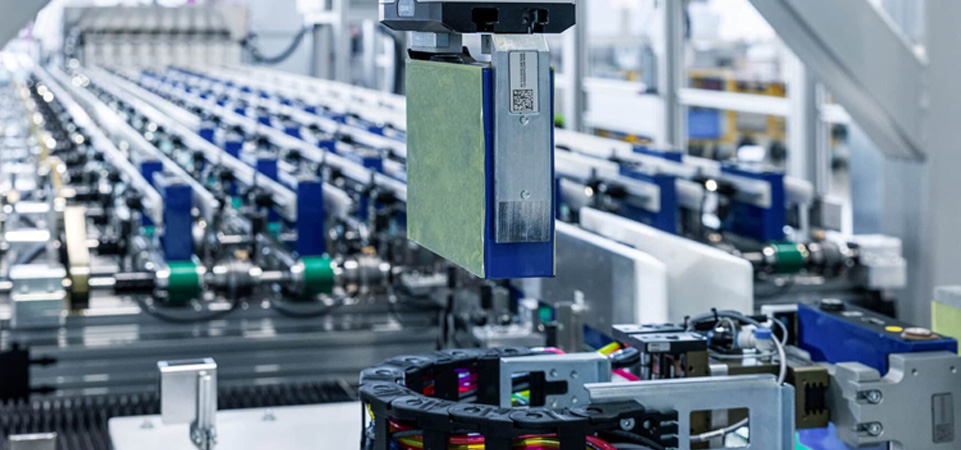
Lithium-ion battery manufacturing
Monitor battery dry room dewpoint at supply and return air, desiccant dryer outlets, glove boxes, electrolyte filling areas and the nitrogen or argon supplies used in cell assembly.
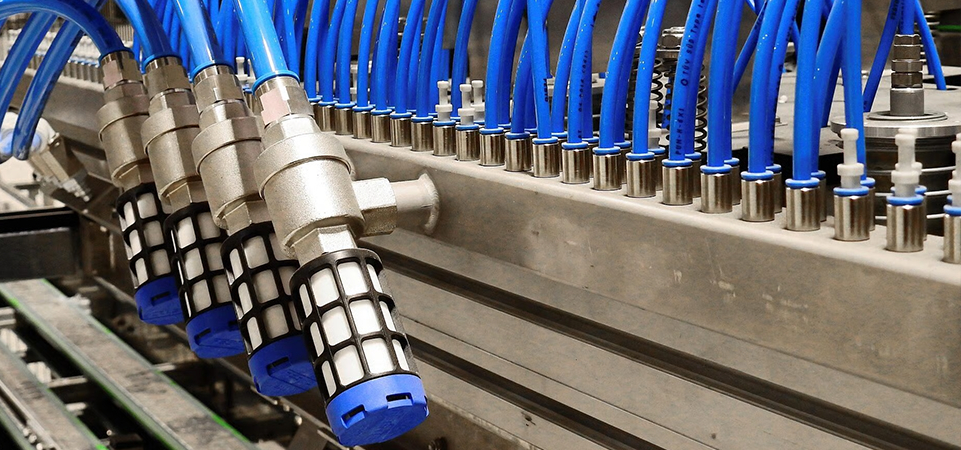
Compressed air
Monitor dryer outlets, distribution networks and points of use and catch a failing desiccant or refrigerant dryer before moisture reaches tools and product.
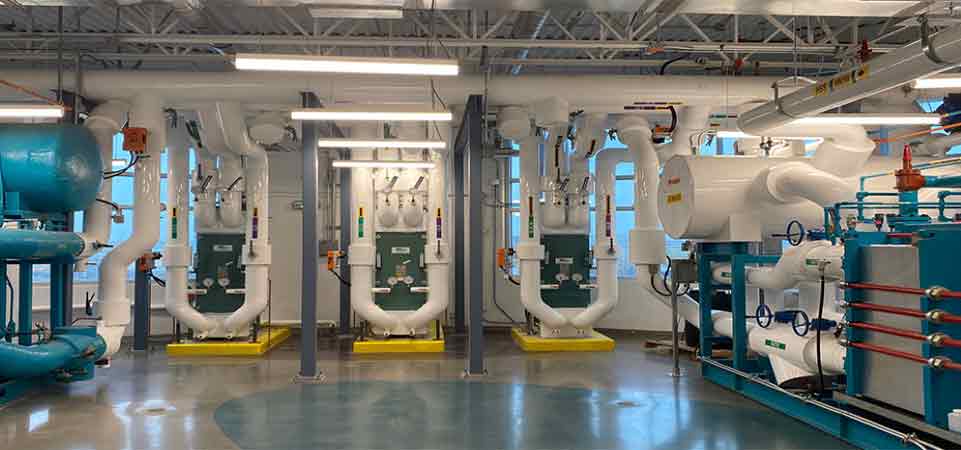
Industrial and specialty gases
Verify the dryness of nitrogen, argon, CO₂ and other gases at filling, storage and point of use, down to trace levels.

Natural gas and fuel gas
Report moisture directly in lb/MMSCF or g/m³ to check gas against pipeline and contract limits.
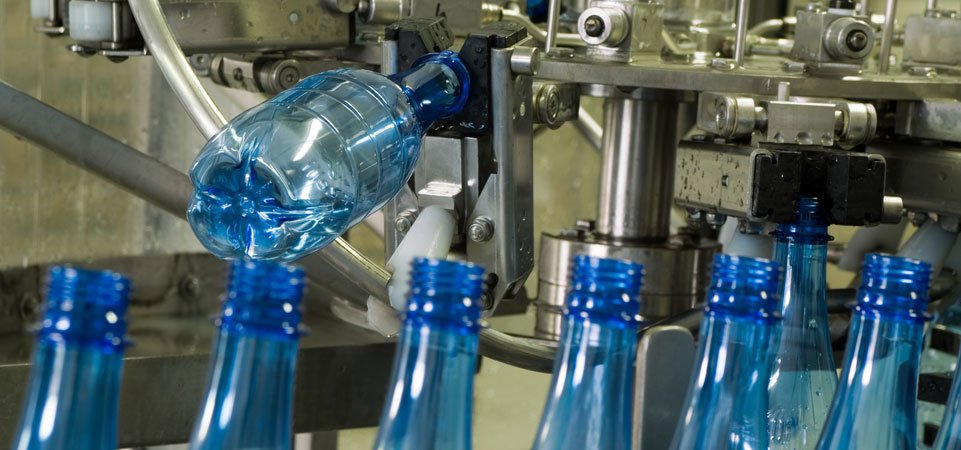
Plastics processing
Confirm that resin dryers deliver dry air and protect moulded parts from moisture related defects.

Food, beverage and pharmaceutical
Monitor compressed air that contacts product or packaging.

Electronics manufacturing
Track moisture in the dry inert gases used for purging and processing.
Choose the right AcuDew for your application
AcuDew offers a range of sensor calibrations, from −65 °C to +20 °C for general compressed air through to −120 °C to −20 °C (0.1 ppb to 1,000 ppm(V)) for trace moisture in dry gases. If you are unsure which range, output unit or accessory fits your process, our team can help you choose.

Frequently asked questions
What dewpoint does a lithium-ion battery dry room need?
Manufacturers typically hold lithium-ion cell production dry rooms drier than −30 °C dewpoint and glove box steps can run at around −65 °C. Each manufacturer sets the exact target according to cell chemistry and process step.
What does a dewpoint transmitter do?
A dewpoint transmitter continuously measures the moisture content of a gas and sends the reading to a display, PLC or control system. AcuDew reports it as dewpoint or as moisture concentration in ppm(V), ppb(V), g/m³ or lb/MMSCF.
What range does the AcuDew cover?
AcuDew measures from −120 °C to +20 °C dewpoint. Select individual sensor ranges to suit the application, from general compressed air to trace moisture in dry gases.
Can AcuDew connect to a PLC or SCADA system?
Yes. Every AcuDew includes a 2 wire 4–20 mA output. The AcuDew-M version adds Modbus RTU over RS485 for direct digital connection.
How is AcuDew calibrated?
Shaw supplies each transmitter with a calibration certificate traceable to NPL. Shaw AutoCal enables field calibration and span checks between laboratory calibrations.
Can AcuDew be installed directly in a pipeline?
Yes. AcuDew is rated from 0.01 to 350 barA and fits a ¾” UNF process connection or you can use it in a SU4 or SWS sample system.