
This application note explains why accurate dewpoint measurement in lithium-ion battery ensures manufacturing environments remain dry enough to prevent hazardous chemical reactions and ruined battery batches.
The Importance of Dewpoint Measurement in Lithium-ion Battery Manufacture
APPLICATION NOTE
Lithium-ion Battery Manufacture
Accurate dewpoint measurement ensures lithium-ion battery manufacturing environments remain dry enough to prevent hazardous chemical reactions and ruined battery batches.
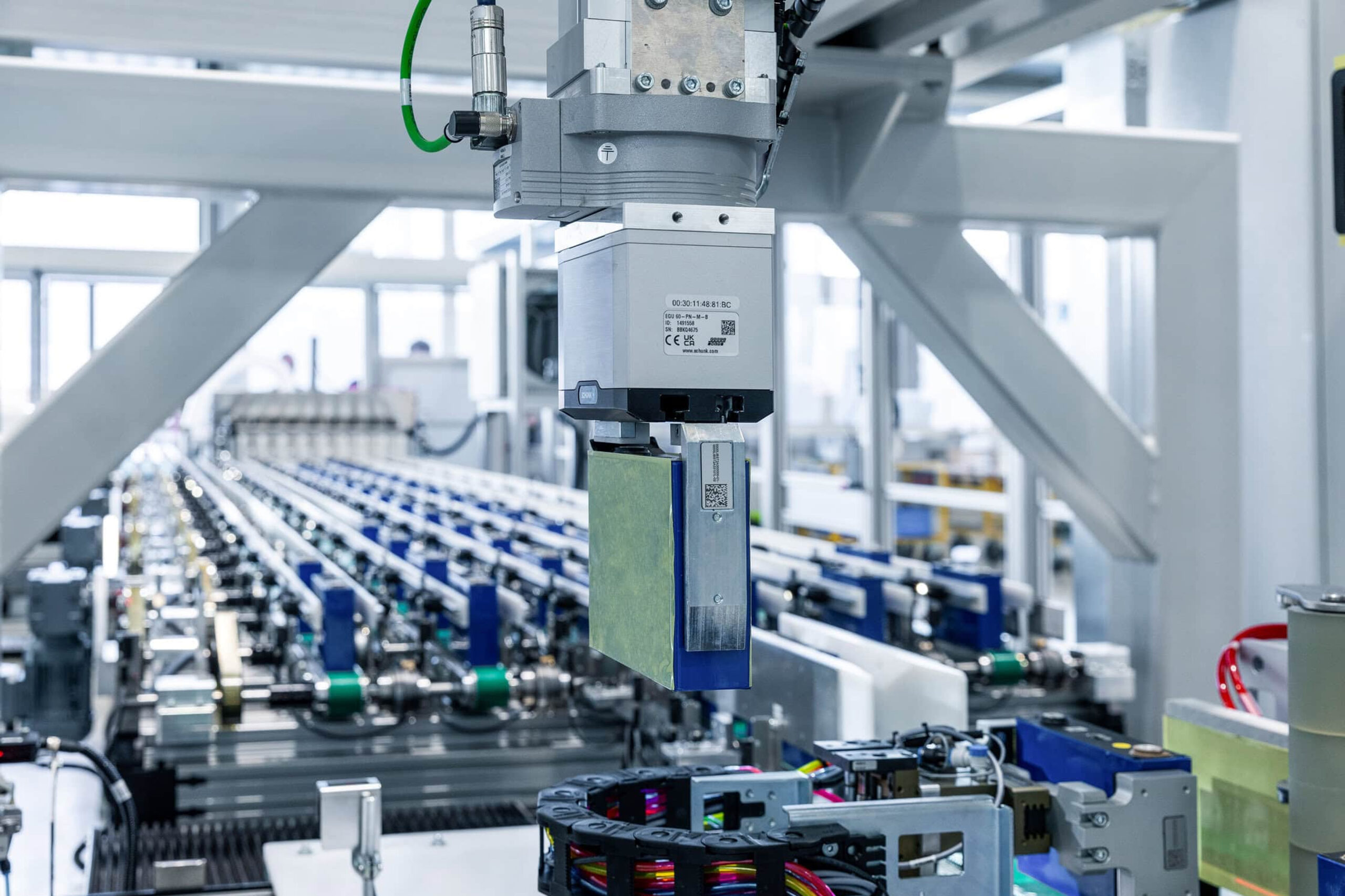
A cell is built in stages: electrodes are coated, dried and calendered, then stacked or wound, filled with electrolyte and sealed. In many plants, most of these stages happen with the cell open to the surrounding air, inside a dry room: a production space held far drier than any occupied space would otherwise need to be. It is split into zones because the process stages are not equally sensitive to moisture.
Trace moisture is the contaminant a dry room exists to control. Water vapour reacts with the LiPF6 electrolyte and with residual lithium on the cathode surface. Both reactions degrade cells before they are sealed and the gas they generate can swell a finished pouch cell. Dewpoint, not relative humidity, is the figure that measures and controls that risk.
Why Moisture is a Problem in Lithium-ion Battery Manufacture
Moisture limits in a dry room are strict for good reason. Argonne’s process modelling puts the working target below 100 ppm(v) and in its base case a 16,000 m² dry room needed roughly 400 kW of dehumidification energy to hold it. Four mechanisms explain why the number is so tight:
Electrolyte Hydrolysis and HF Formation
LiPF6, the lithium salt in the electrolyte, reacts with trace water to form hydrofluoric acid (HF). HF damages the cathode and the protective layer on the anode (the SEI), cutting capacity over the cell’s working life.
Slurry Gelation at the Coating Line
High nickel cathode materials carry residual surface lithium compounds that react with moisture to form lithium hydroxide and lithium carbonate. Enough exposure during coating can change the slurry’s viscosity and make it gel, a yield problem long before it becomes a safety one.
Disrupted SEI Formation at the Anode
The solid electrolyte interphase (SEI) forms during the first controlled charge and needs a moisture free surface. Water at the anode before or during formation can degrade the SEI and drive gas generation in that first cycle.
Gassing and Pouch Cell Swelling
The gas from these reactions raises internal pressure, most visibly as swelling in a finished pouch cell. In lithium metal and solid state work, lithium also reacts directly with water to give lithium hydroxide and hydrogen gas, a safety hazard as well as a quality one.
Each mechanism starts the same way: water vapour reaching a moisture sensitive material before the cell is sealed. Each is preventable by keeping the room within its specified dewpoint, which is why the measurement matters as much as the dehumidification equipment.
Where to Measure Moisture
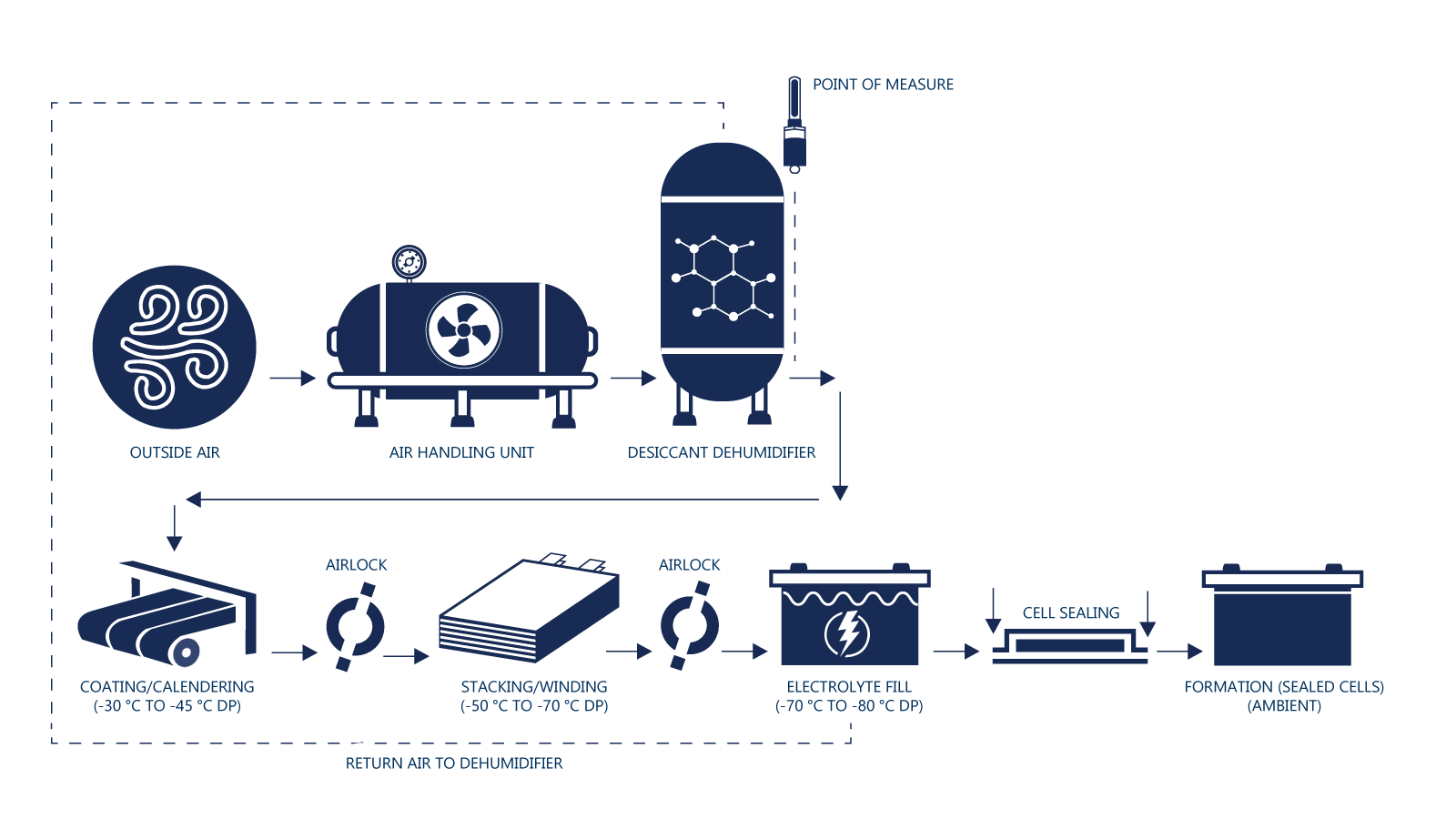
Figure 1. Dry Room System Diagram
Dry room air handling architecture common to lithium-ion cell assembly. Dewpoint tiers vary by process and chemistry. In many plants, formation runs on sealed cells at ambient conditions.
Dewpoint Measurement in Lithium-ion Battery Dry Rooms
Measure dewpoint continuously, in each zone, not only at the dehumidifier supply.
The zone reading is what the product actually sees. Standard relative humidity probes are built for the human comfort range, so they lose resolution well below 1% RH, where dry rooms, run. Dewpoint stays meaningful at those extremes, which is why dry rooms are specified and controlled against it.
Targets vary by chemistry, process step and plant. Typical zone dew points are:
| Zone | Typical Dewpoint |
|---|---|
| General cell assembly | -30 °C to -45 °C |
| Lithium metal and other highly moisture sensitive work | Around -50 °C or lower |
Supply and Zone Monitoring
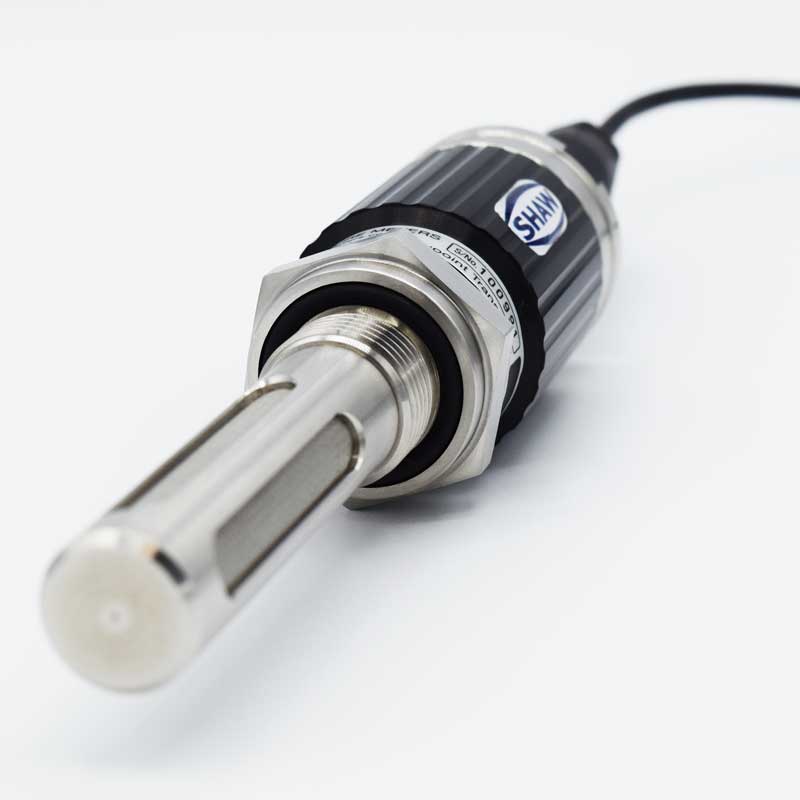
A fixed dewpoint transmitter at the dehumidifier outlet confirms the desiccant unit is working. More transmitters in each zone (coating and calendering, stacking or winding, electrolyte fill) confirm what that zone is actually holding. A supply reading alone cannot show which specification a zone is meeting.
Electrolyte Fill and Glovebox Atmospheres
These are usually the driest, most tightly controlled points in the building, often run through a central panel with alarm outputs and a calibration certificate traceable to national and international humidity standards. Dewpoint confirms the atmosphere the electrolyte is exposed to during filling. It does not measure the electrolyte’s own water content once sealed in the cell. That comes from Karl Fischer titration of a liquid sample.
Airlocks and Material Transfer Points
People and airlock openings are the main moisture loads on a dry room. Airlocks between zones get their own spot checks and some lines add a dedicated fixed sensor to catch a leaking door seal or an underperforming purge before a whole zone drifts out of tier.
Commissioning and Troubleshooting
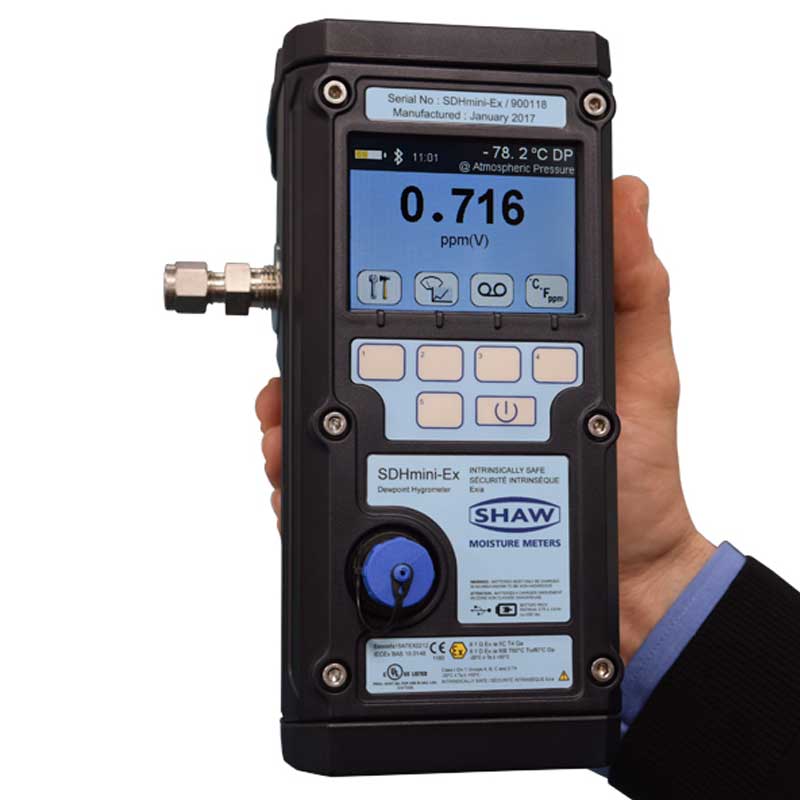
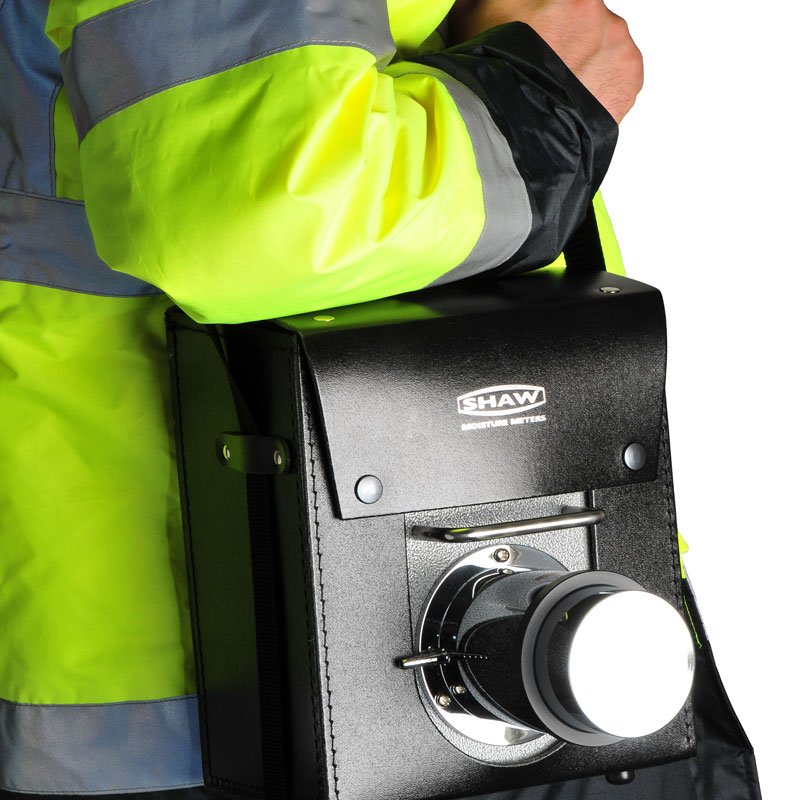
A portable hygrometer with fast response and dry down lets an engineer walk every zone in one pass, check fixed transmitters against a second reference and trace an excursion to a specific door, seal or process step. Coating lines running NMP based slurries require solvent vapour extraction near the drying ovens, where explosion proof instruments are appropriate instead of a standard dewpoint transmitter.
Accurate dewpoint measurement in lithium-ion battery manufacture is what lets a dry room do its job. It protects the electrolyte and active materials from moisture and catches an excursion before it becomes a swollen or capacity faded cell. Because cells stay open to the air for much of their assembly, it is the control that makes the rest of the process possible.
Dewpoint Instruments
References to Applicable Standards
We are not aware of a published regulation that sets a dewpoint limit for lithium-ion battery manufacture. Targets are set by the cell and process engineering team against electrolyte and active material specifications.
ISO 14644-1:2015 Cleanrooms and associated controlled environments, Part 1: Classification of air cleanliness by particle concentration. This sets the particle cleanliness class that many dry rooms hold alongside their dewpoint specification.
Further Information
Recommended Products
SDHmini-Ex Dew Point Meter
Certified intrinsically safe for quick, reliable spot check measurements of trace moisture
More Information
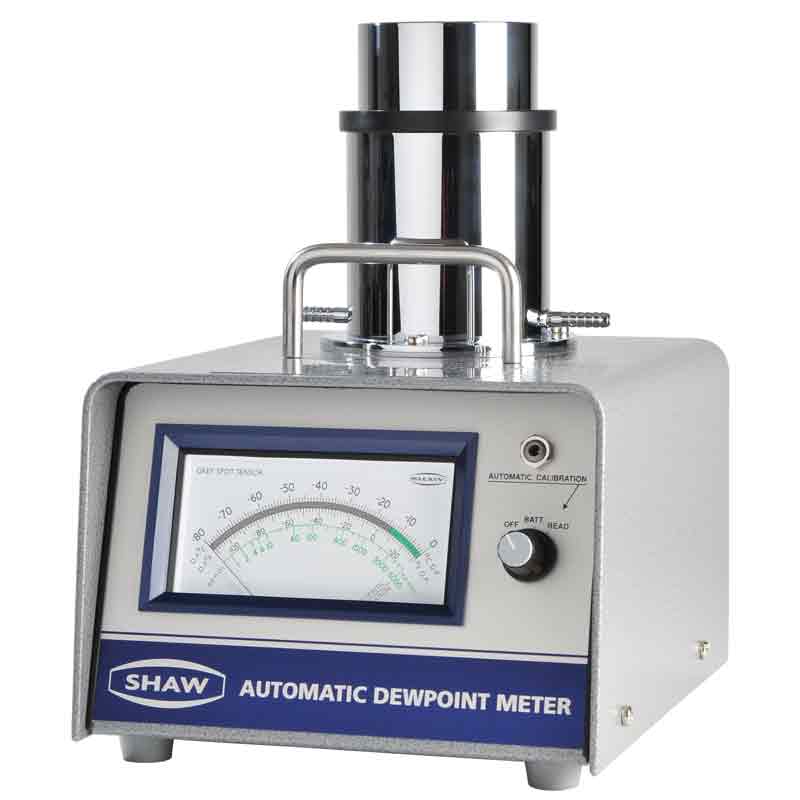
SADP Portable Hygrometer
Intrinsically safe, incorporating AutoCal and desiccant dry-down assembly.
More Information
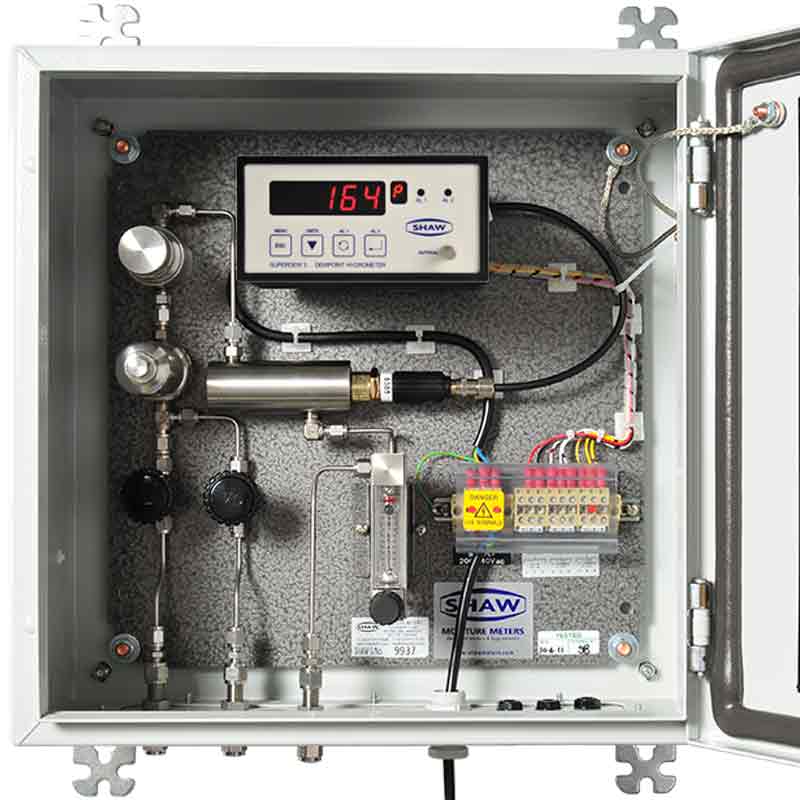
Sample Systems
Provide ideal dewpoint sampling conditions for trace moisture measurement
Sample Systems

Service & Calibration
Have your dewpoint meter serviced and calibrated by the manufacturer.
Service & Calibration